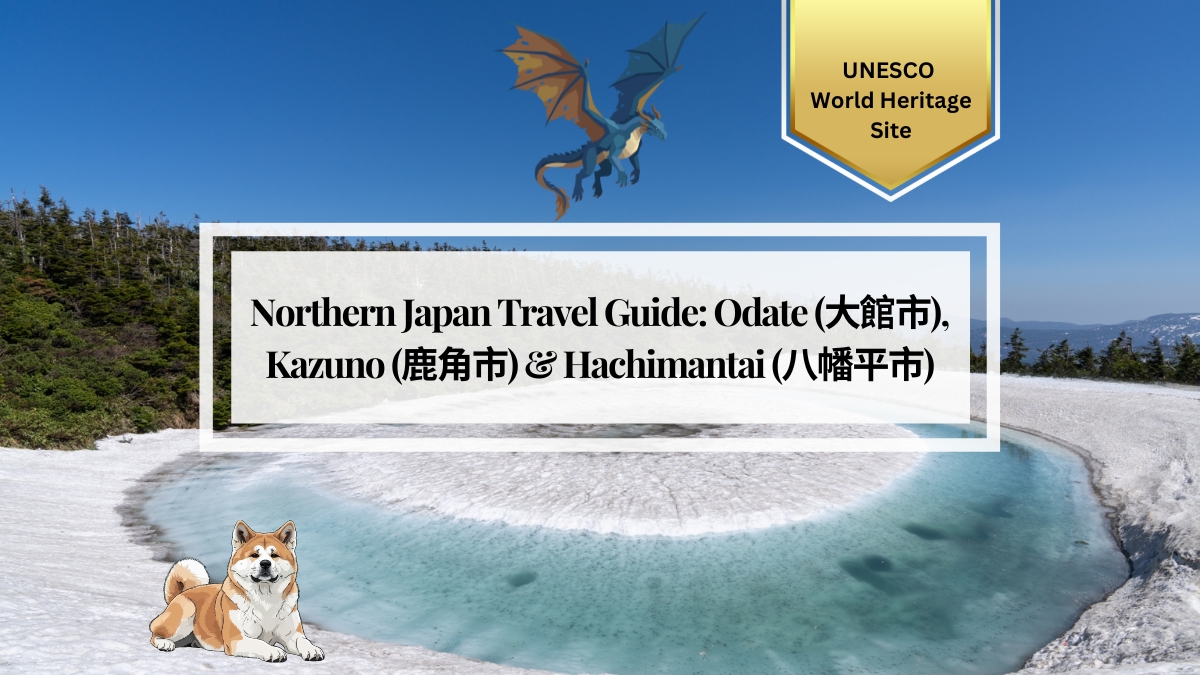
Looking for an unforgettable trip to Japan beyond Tokyo, Kyoto, and Osaka?
Welcome to Northern Tohoku — one of Japan’s most beautiful yet still undiscovered regions, spanning Akita and Iwate Prefectures. The cities of Odate, Kazuno, and Hachimantai offer a powerful blend of dramatic nature, deep-rooted history, restorative hot springs, and authentic rural culture.
This region is ideal for international travelers seeking:
- Fewer crowds and deeper local experiences
- Volcanic mountain onsen and traditional ryokan stays
- UNESCO World Heritage Jomon archaeological sites
- Scenic alpine road trips
- Ski resorts famous for light, powder snow
From cherry blossoms in spring to lush highlands in summer, fiery autumn foliage, and pristine winter snowscapes — Northern Tohoku reveals a completely different side of Japan.
Why Visit Odate, Kazuno & Hachimantai?
Far from Japan’s urban rush, this region offers space, silence, and authenticity. Here, you can slow down, reconnect with nature, and experience traditions that have shaped Tohoku for centuries.
Top Highlights
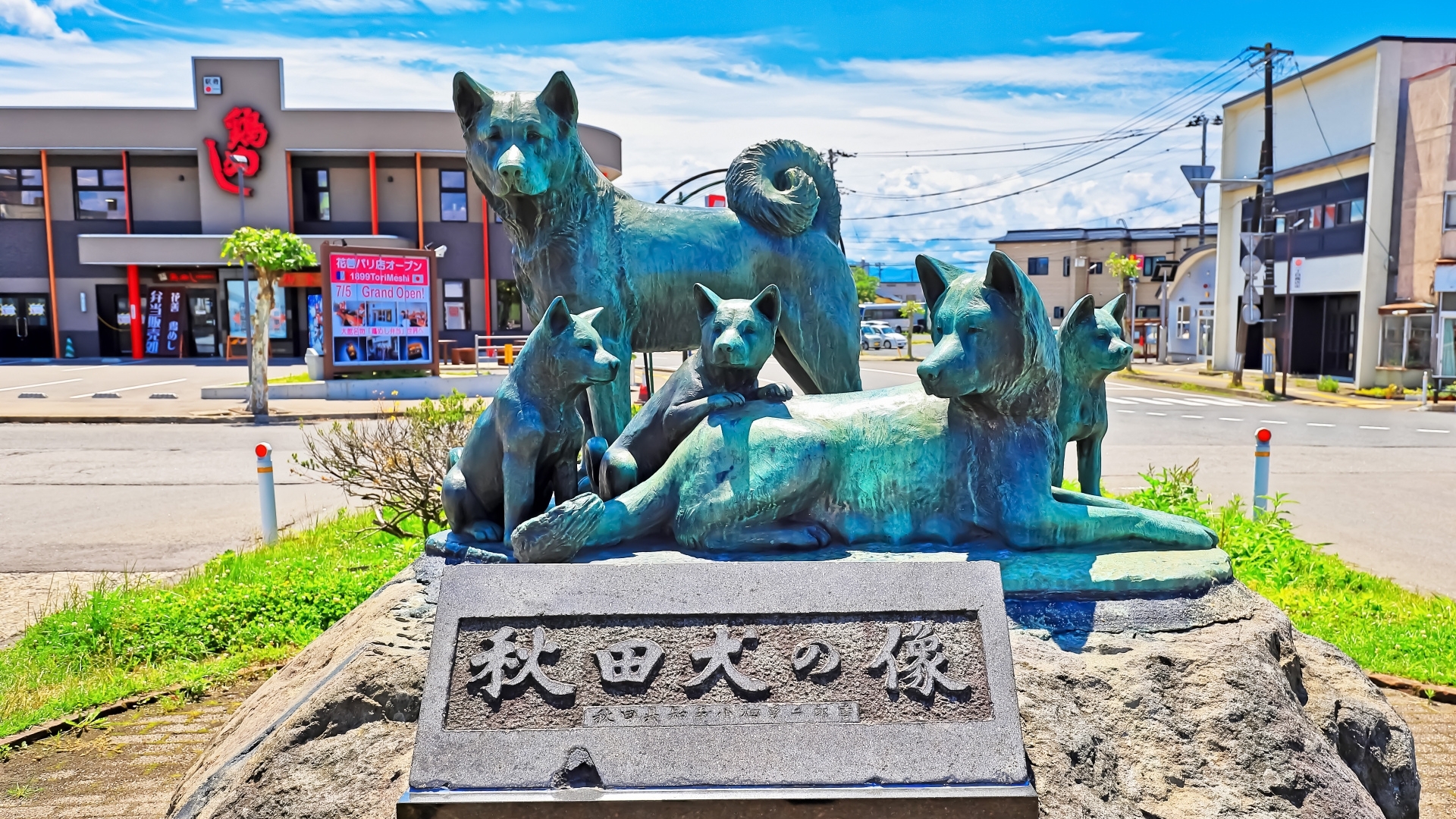
- Meet the famous Akita Inu dogs in their hometown of Odate
- Explore UNESCO-listed Jomon ruins in Kazuno
- Soak in rare volcanic mud hot springs in Hachimantai
- Drive through some of Japan’s most scenic mountain routes
- Enjoy uncrowded ski resorts with world-class powder snow
Planning a Tohoku road trip? This is one of the most rewarding routes in northern Japan.
Things to Do in Odate – Home of the Akita Dog
Odate is one of northern Japan’s most underrated destinations.
Visit Akita Inu no Sato (秋田犬の里)

Odate is internationally known as the birthplace of the Akita Inu, one of Japan’s most iconic dog breeds and the breed of the legendary Hachiko.
At Akita Inu no Sato, visitors can:
- Meet real Akita Inu dogs
- Learn about the breed’s history and cultural significance
- Explore exhibits about Hachiko
- Purchase Akita-themed souvenirs
For travelers searching “Where can I see Akita dogs in Japan?” — this is the best place.
Discover Magewappa Craft (大館曲げわっぱ)

Odate is also famous for Magewappa, a 400-year-old traditional woodcraft.
These elegant bentwood products — especially bento boxes — are prized for:
- Minimalist Japanese design
- Natural cedar fragrance
- Sustainable craftsmanship
For visitors interested in Japanese design, handmade goods, and meaningful souvenirs, Magewappa is a must-see cultural experience.
Things to Do in Kazuno – UNESCO History & Mountain Onsen
Located in northern Akita Prefecture, Kazuno blends prehistoric history with dramatic volcanic landscapes.
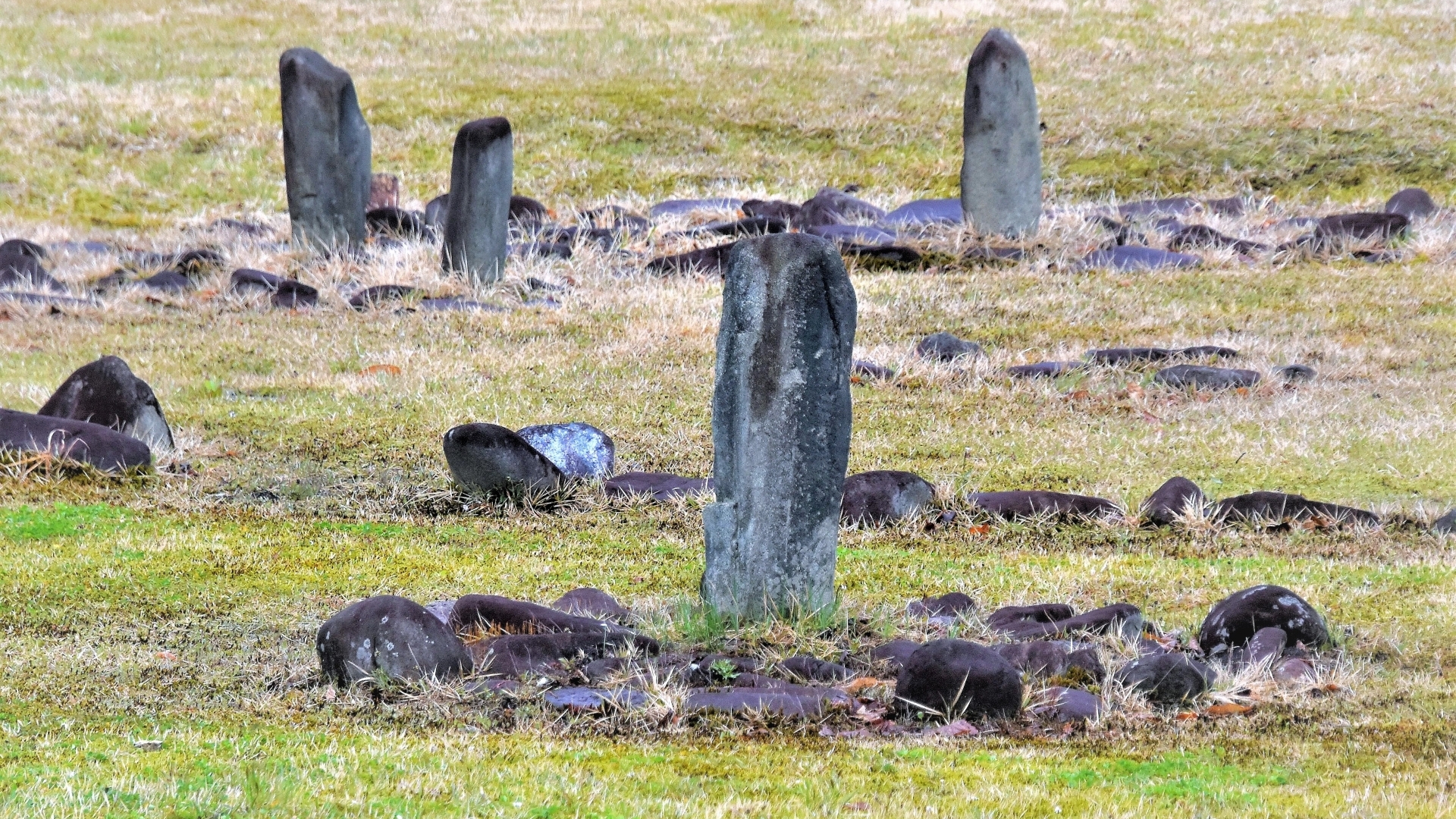
Explore Oyu Stone Circles (大湯環状列石) – UNESCO World Heritage Site
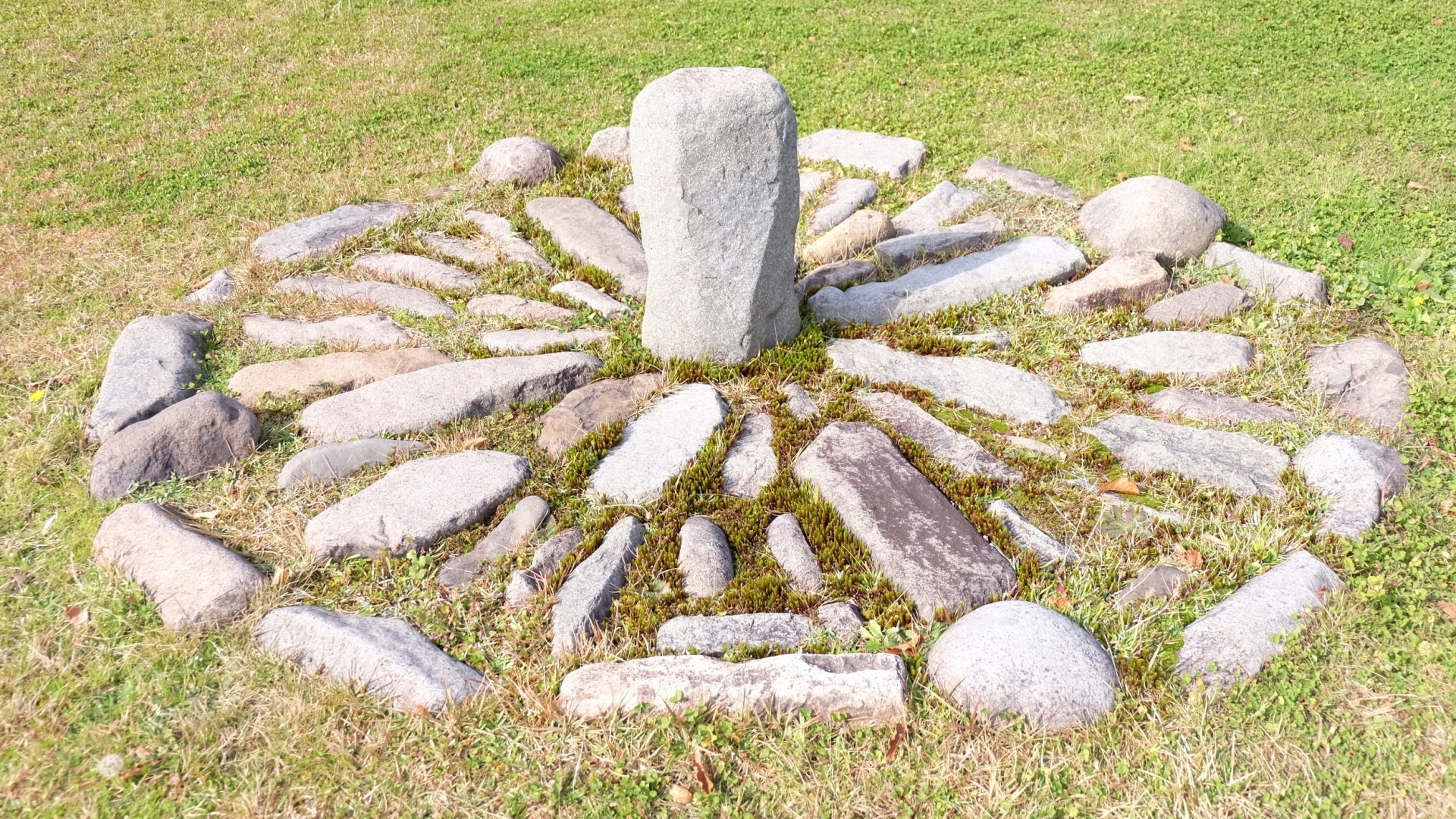
Dating back roughly 4,000 years, the Oyu Stone Circles are part of the UNESCO-listed Jomon Prehistoric Sites in Northern Japan.
Many visitors compare the atmosphere to Stonehenge — but with a distinctly Japanese spiritual ambiance.
Why Visit Oyu Stone Circles?
- Official UNESCO World Heritage site
- Rare prehistoric stone formations
- Excellent visitor center and educational exhibits
- Peaceful, uncrowded setting
For history and archaeology enthusiasts, this is one of Tohoku’s most unique destinations.
Stay at Goshogake Onsen (後生掛温泉)
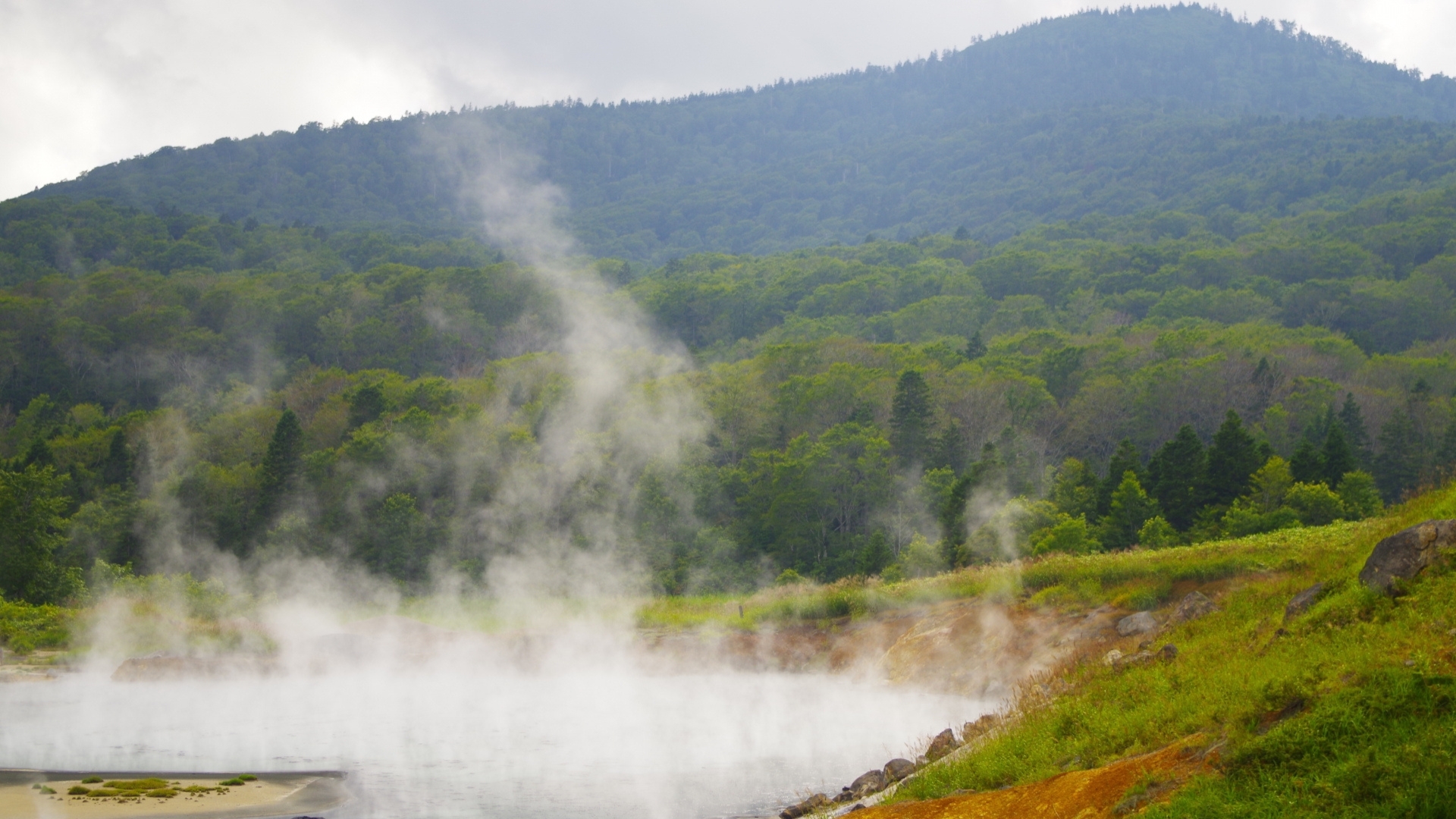
For a truly unforgettable hot spring experience, Goshogake Onsen is legendary.
Located in the volcanic mountains near Hachimantai, this historic inn is famous for:
- Volcanic steam baths
- Rare natural mud baths
- Traditional therapeutic bathing culture
- Dramatic geothermal scenery
This is not a luxury spa — it’s an authentic Japanese wellness retreat surrounded by steaming earth and forest silence.
An overnight stay here is highly recommended.
Things to Do in Hachimantai – Mountains & Adventure
Hachimantai, in Iwate Prefecture, is a mountain resort area known for national park scenery, hot springs, and exceptional winter snow.
See the Hachimantai Dragon Eye (八幡平ドラゴンアイ / 鏡沼)
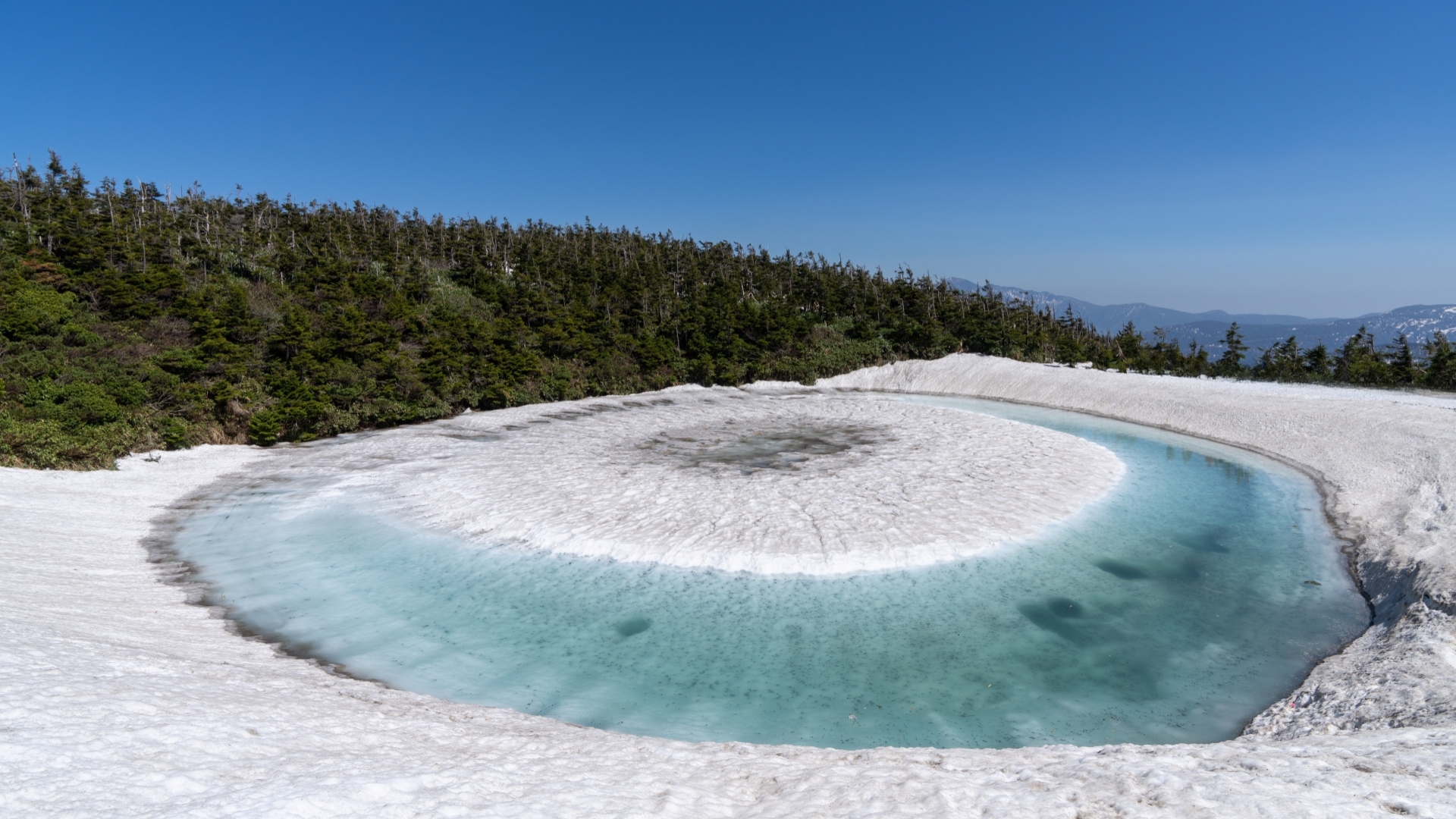
From late May to early June, Kagami-numa Pond — a small crater lake near the summit of Mt. Hachimantai — transforms into one of Japan’s most mysterious seasonal wonders. As the deep winter snow begins to melt, the pond gradually reveals a vivid circular blue center surrounded by white snow, creating an eerie yet beautiful shape that looks exactly like a giant dragon’s eye watching from the mountains.
This short-lived natural phenomenon is known as the Hachimantai Dragon Eye, and it has become one of Northern Japan’s most iconic photo spots, drawing nature lovers, hikers, and photographers from across the country.
The best part? This is not an extreme mountain climb — the Dragon Eye can be reached via a scenic hiking trail from the Hachimantai summit area, making it accessible even for casual travelers. The surrounding highland landscape, fresh air, and lingering snowfields create an unforgettable early-summer atmosphere that feels completely different from the rest of Japan.
Why Travelers Love It
-
A rare, time-limited natural spectacle only visible for a few weeks
-
A stunning alpine hiking route surrounded by volcanic landscapes
-
Refreshing early-summer mountain weather (perfect escape from city heat)
-
Incredible photography opportunities with dramatic contrasts of snow and water
-
A unique “hidden Japan” experience far from crowded tourist destinations
If you’ve ever searched for “Dragon Eye Japan,” this is the legendary place you’ve been looking for — a truly once-a-year sight that feels almost unreal.
Drive the Hachimantai Aspite Line (八幡平アスピーテライン)
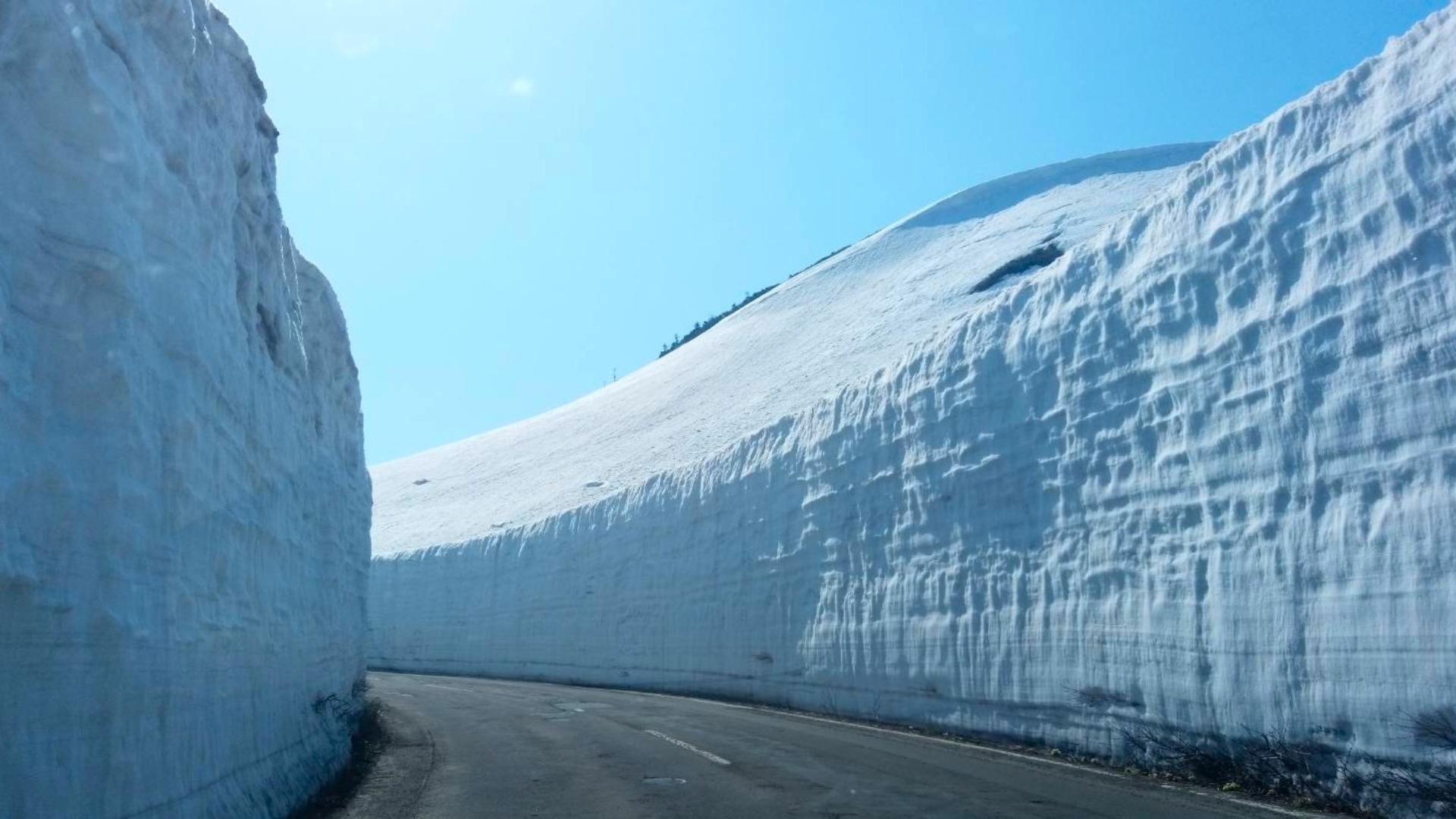
One of Japan’s most scenic mountain roads, the Aspite Line connects Akita and Iwate.
Seasonal highlights include:
- Spring snow corridors
- Fresh alpine greenery in summer
- Brilliant autumn foliage
For road trip travelers, this drive is unforgettable.
Ski at Appi Kogen (安比高原)
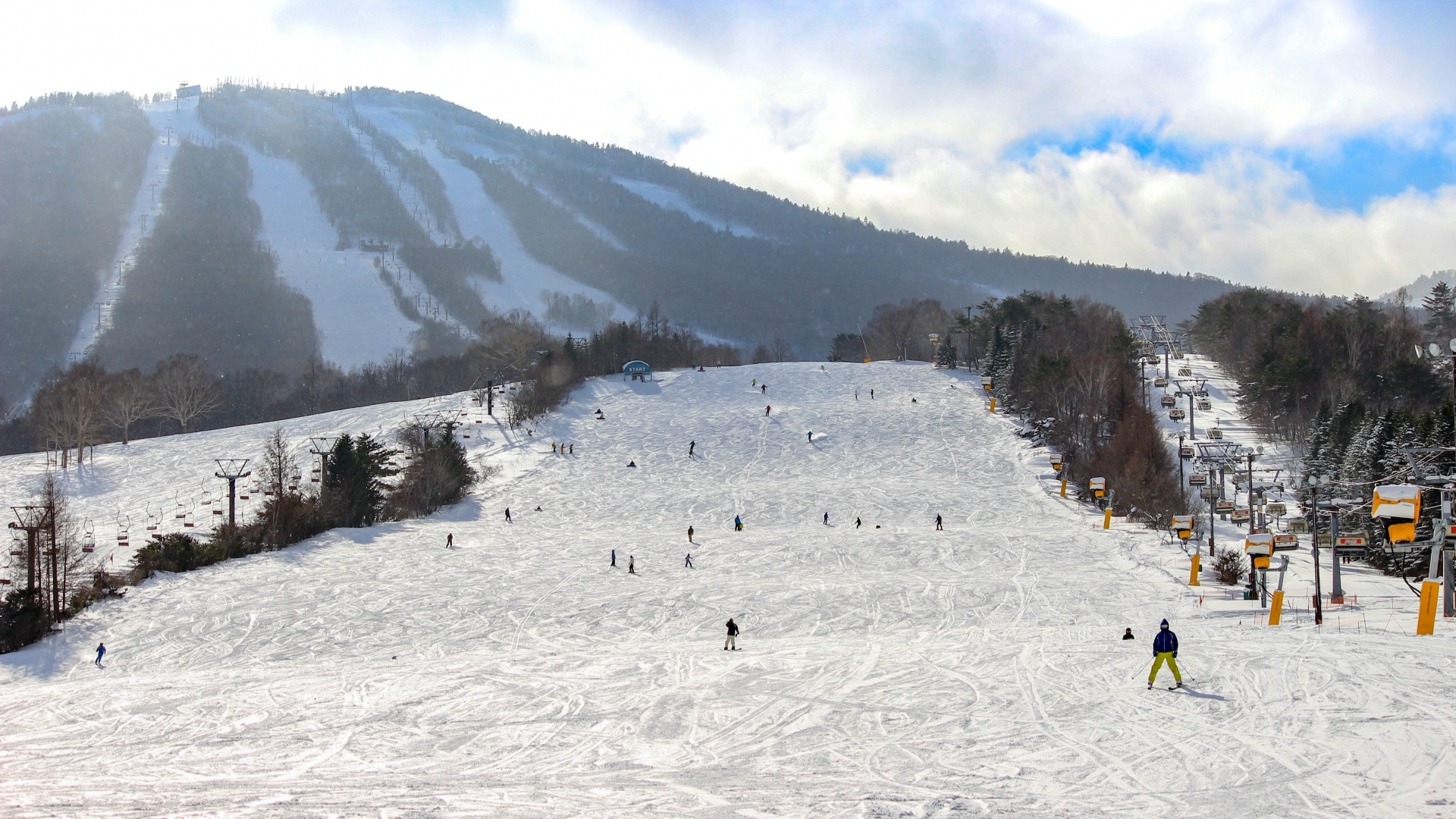
In winter, Appi Kogen is one of Japan’s best ski resorts outside Hokkaido.
Known for high-quality powder snow and excellent facilities, it offers a relaxed alternative to busier resorts like Niseko.
Why Appi Kogen Stands Out
- World-class dry powder snow
- International-friendly services
- Quality hotels and dining
- Slopes for all skill levels
For a Tohoku ski trip, Appi Kogen is a top choice.
Best Time to Visit
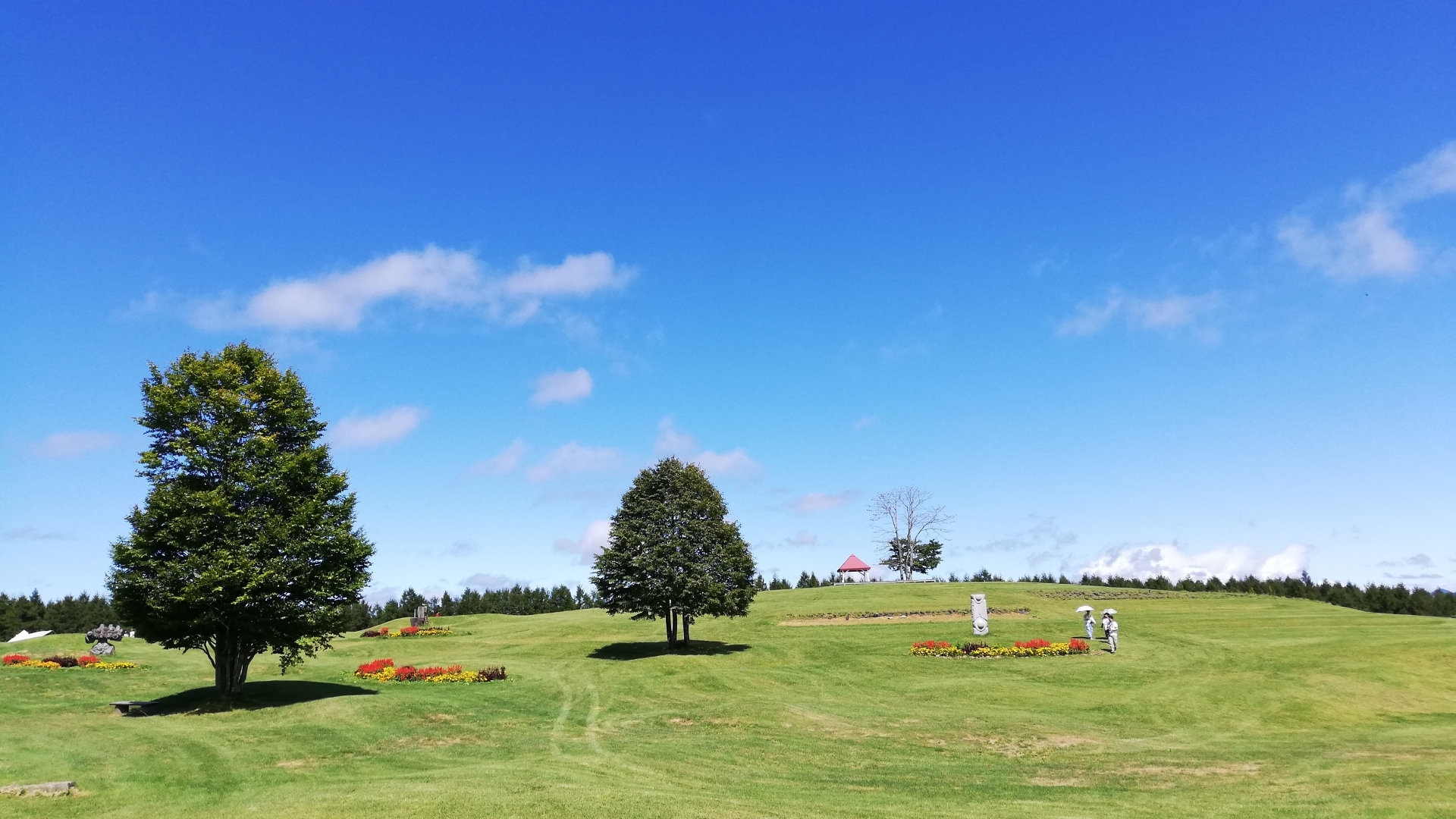
Each season offers a different experience:
Spring (April–June)
- Snow Corridor
- Dragon Eye
- Fresh green mountain scenery
Summer (July–August)
- Cool alpine hiking
- Escape from Japan’s humidity
- Wildflower landscapes
Autumn (September–October)
- Spectacular foliage
- Ideal for scenic drives and photography
Winter (December–March)
- Deep snow landscapes
- Snow-covered hot springs
- Skiing at Appi Kogen
Suggested Itinerary: 5–6 Days in Northern Tohoku
Standard Version (Spring–Autumn)
Day 1: Odate
Akita Inu no Sato
Local dinner and city walk
Overnight: Odate
Day 2: Odate
Magewappa shopping
Cultural exploration
Overnight: Odate or Kazuno
Day 3: Kazuno + Goshogake Onsen
Oyu Stone Circles
Mountain transfer
Overnight: Goshogake Onsen
Day 4: Hachimantai
Dragon Eye hike
Aspite Line drive
Overnight: Hachimantai or Morioka
Day 5: Appi Kogen + Departure
Resort activities
Travel to Morioka
Winter Version (December–March)
Winter is magical — but requires planning.
Important Notes
The following are typically inaccessible in winter:
- Dragon Eye hiking
- Full Aspite Line drive
Instead, focus on:
- Onsen stays
- Snow landscapes
- Ski resorts
- Slow travel experiences
Recommended 5-Day Winter Plan
Day 1: Odate
Akita Inu no Sato
Warm local dinner
Day 2: Odate
Magewappa shopping
Cafés and winter streets
Day 3: Kazuno + Goshogake Onsen
Oyu Stone Circles (weather permitting)
Overnight onsen stay
Day 4: Full Onsen Wellness Day
Mud and steam baths
Kaiseki dinner
Snow photography
Day 5: Appi Kogen
Skiing or snowboarding
Snowshoe walks
Travel onward to Morioka
Optional: Add a 6th day at Appi for a more relaxed pace.
Winter Travel Tips
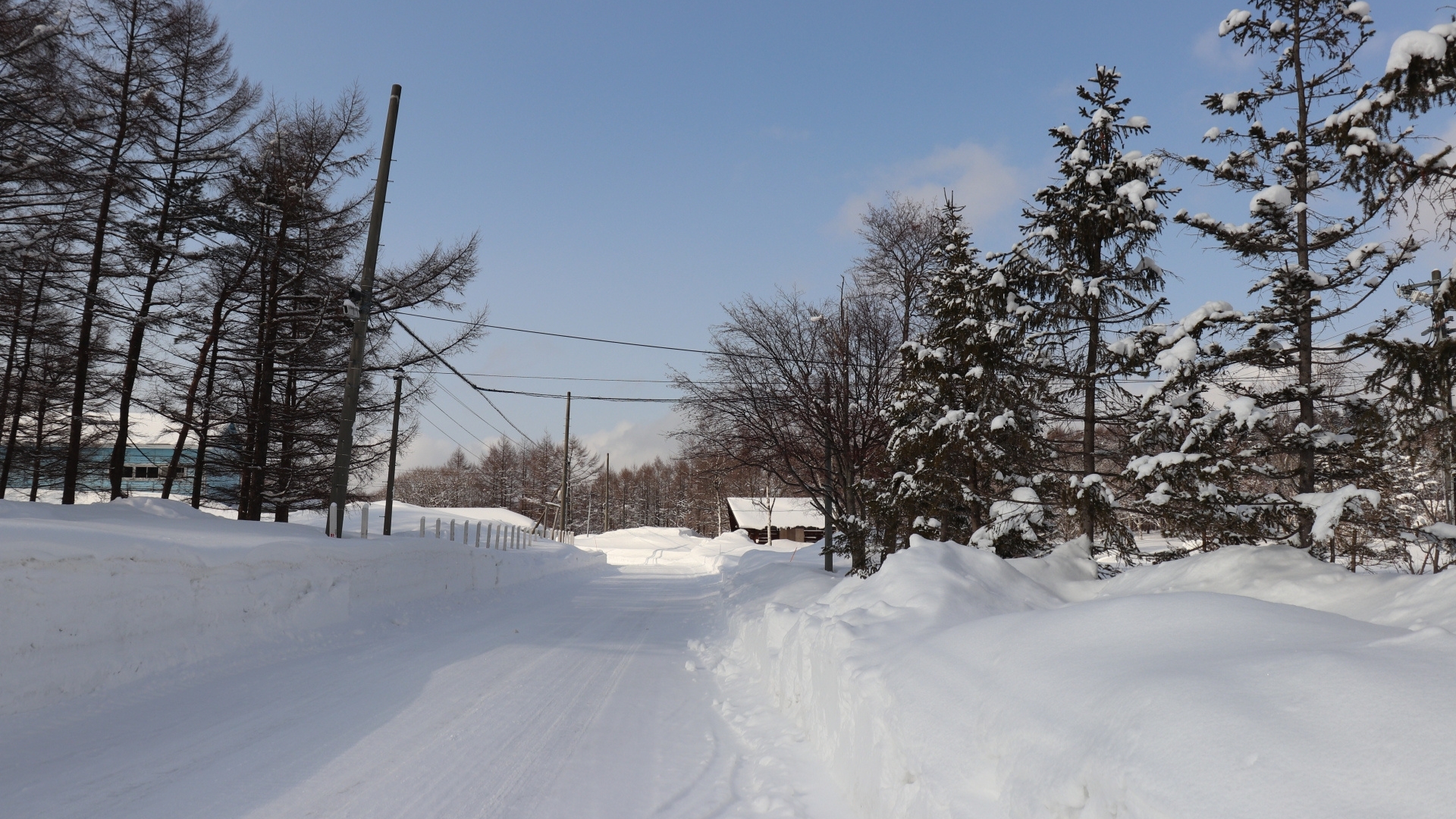
Driving
- Rent a 4WD vehicle
- Ensure snow tires
- Avoid mountain driving at night
- Check road conditions daily
- Allow extra travel time
Packing
- Waterproof boots
- Thermal layers, gloves, hat
- Heat packs (kairo)
- Portable battery (cold drains phones quickly)
Preparation is essential — but winter here is breathtaking.
How to Get There
By Train
- Akita Shinkansen from Tokyo
- Transfer to local JR lines and buses
By Air
- Akita Airport
- Iwate Hanamaki Airport
Best Option: Rental Car
A rental car offers the most flexibility, especially in mountain areas.
FAQ
Where can I see Akita dogs in Japan?
At Akita Inu no Sato in Odate.
Where is the Dragon Eye in Japan?
At Kagami-numa Pond in Hachimantai (best seen late May–early June).
Is Oyu Stone Circles worth visiting?
Yes — it’s a UNESCO World Heritage site and a rare prehistoric landmark.
Is Hachimantai accessible in winter?
Yes, but some roads and hiking areas close due to snow.
Final Thoughts
If you want to experience Japan’s nature, history, and wellness culture — without the crowds — Odate, Kazuno, and Hachimantai are exceptional destinations.
Come for the Akita dogs.
Stay for the UNESCO ruins.
Relax in volcanic hot springs.
And experience one of Japan’s most beautiful winter landscapes.
This is Northern Japan at its most authentic.