
Located just one hour from Tokyo, Shonan is one of Japan’s top seaside destinations for travelers seeking beautiful beaches, rich culture, and unforgettable coastal scenery.
Known for its surfing spots, historic temples, Enoshima Island, and panoramic views of Mt. Fuji, Shonan offers a perfect mix of nature, adventure, and modern Japanese lifestyle. Visitors can enjoy fresh seafood, trendy beach cafés, relaxing ocean walks, and easy access to popular attractions in Kamakura and Enoshima.
With its warm climate and vibrant atmosphere, Shonan is an ideal place for both day trips and extended stays—making it a must-visit location for anyone exploring Japan’s coastline.
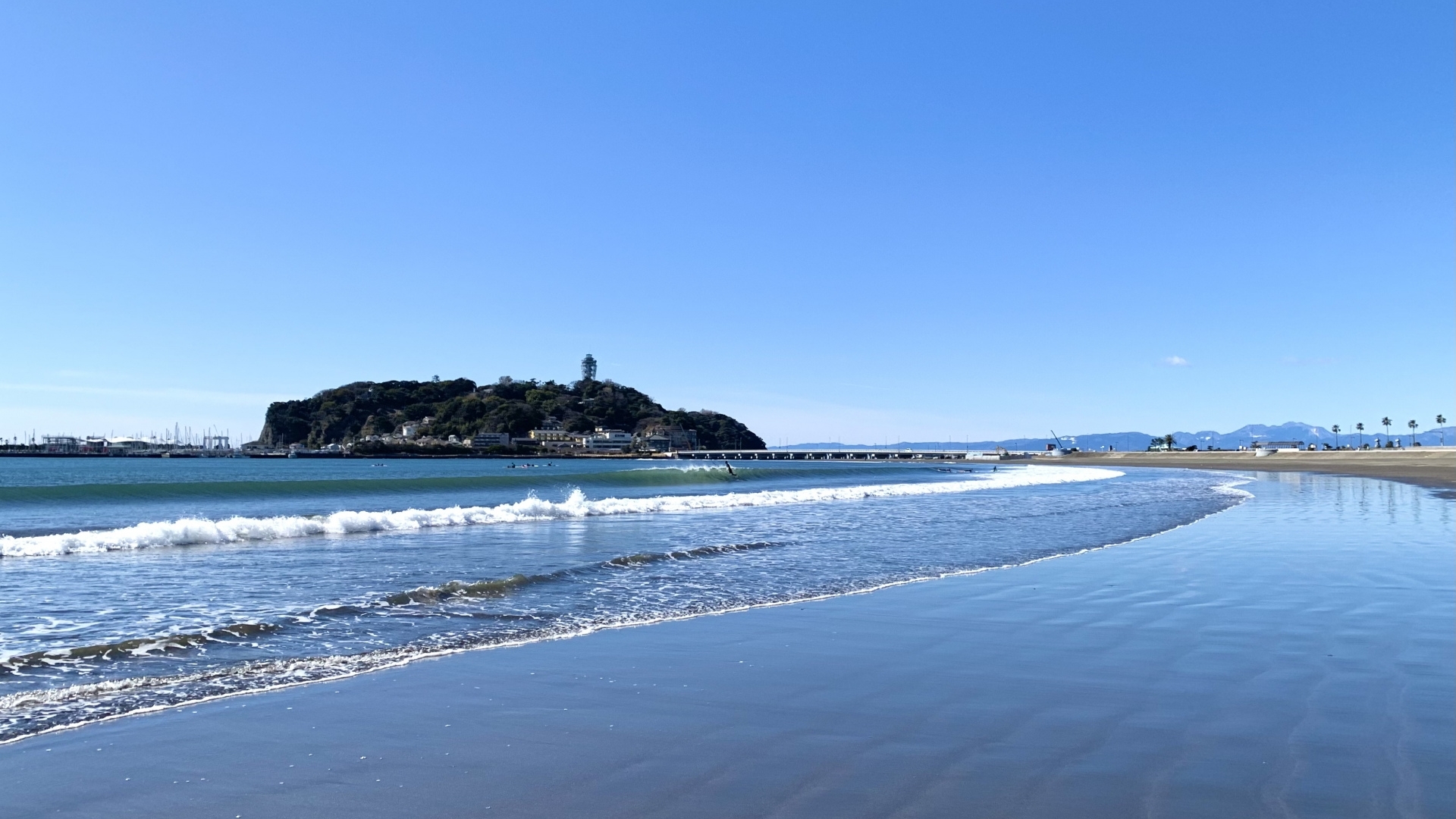
1. Enoshima Island 江の島
Overview:
Enoshima is the symbolic heart of Shonan—an island filled with shrines, scenic lookouts, walking trails, and seaside cafes. Connected by a pedestrian bridge, it is incredibly accessible from both Tokyo and Kamakura.
Highlights:
- Enoshima Shrine: A complex of three shrines dedicated to Benzaiten, the goddess of music and arts.
- Iwaya Caves: Sea-carved caves with historical Buddhist and Shinto significance.
- Coastal Cliffs: Photogenic rocky areas where waves crash dramatically.
- Observation Decks: Viewpoints overlooking Sagami Bay and Mt. Fuji.
Why it’s popular with foreign travelers:
It offers a mix of nature, spirituality, culture, and ocean scenery—all within walking distance.
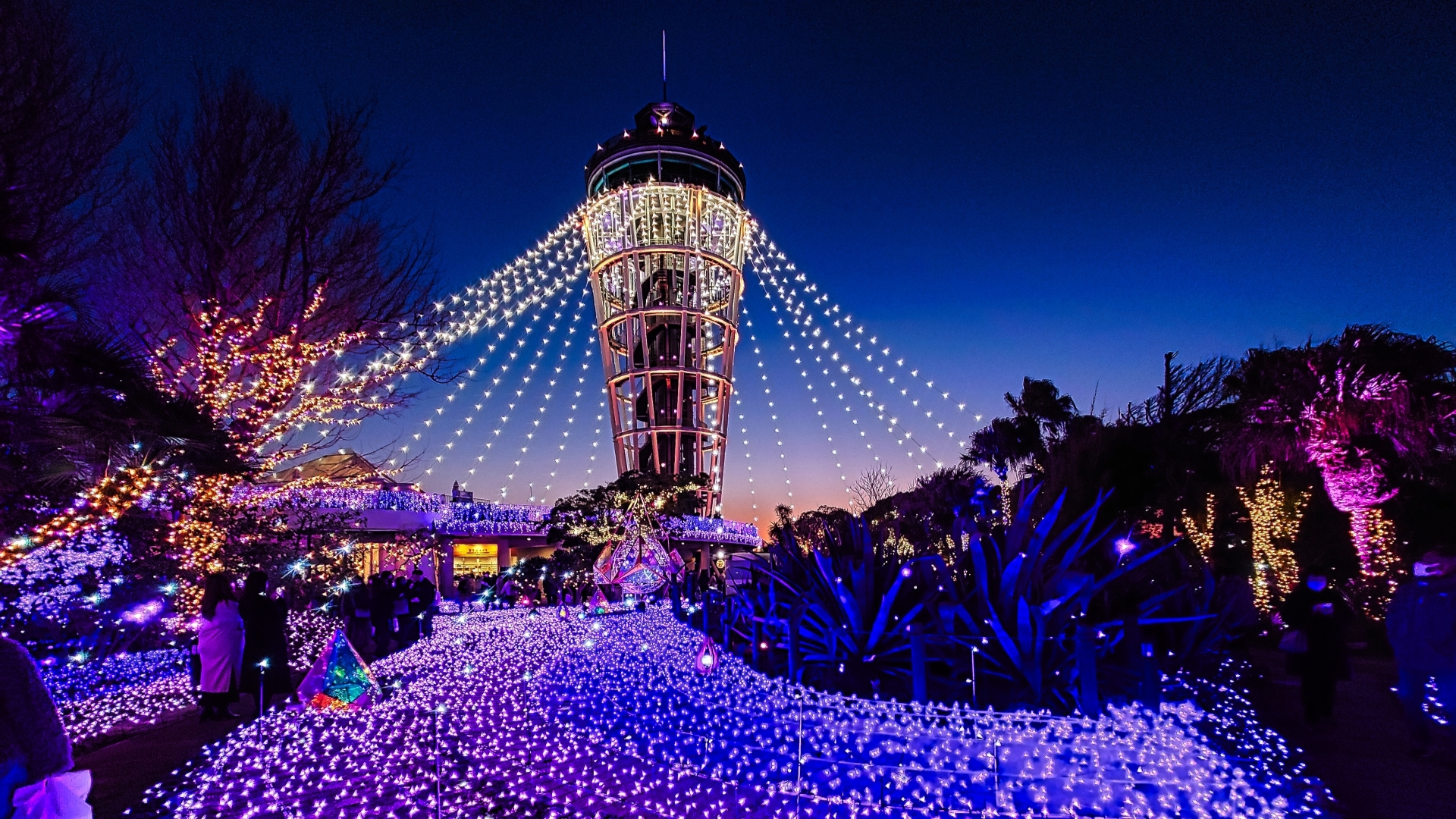
2. Enoshima Sea Candle (Lighthouse Observation Tower)江の島シーキャンドル
Overview:
Standing at the top of Enoshima, the Sea Candle lighthouse provides one of the finest panoramic views along the Shonan coast.
Highlights:
- 360° panoramic observation deck with views of Mt. Fuji, Enoshima’s coastline, and neighboring cities.
- Located inside the Samuel Cocking Garden, a peaceful botanical garden.
- Winter Illumination (Enoshima Lights): One of Japan’s top-rated night light events.
Why foreign visitors love it:
It’s an iconic photo spot and a perfect place to experience seasonal events.
3. Shonan Beaches (Yuigahama, Zaimokuza, Koshigoe, Katase) 湘南の海岸
Overview:
Shonan is Japan’s surf capital, known for laid-back beach culture and vibrant summer beach houses.
Highlights:
- Yuigahama Beach: Family-friendly and close to Kamakura attractions.
- Zaimokuza Beach: Relaxed atmosphere with calm waters.
- Katase Higashihama Beach: Popular with young travelers, great for beach bars.
- Surfing Lessons: Many English-friendly schools available.
Best season:
July–September for swimming; surfing is year-round.
Why foreign visitors enjoy it:
The beach culture feels refreshingly casual compared to typical urban Japanese experiences.
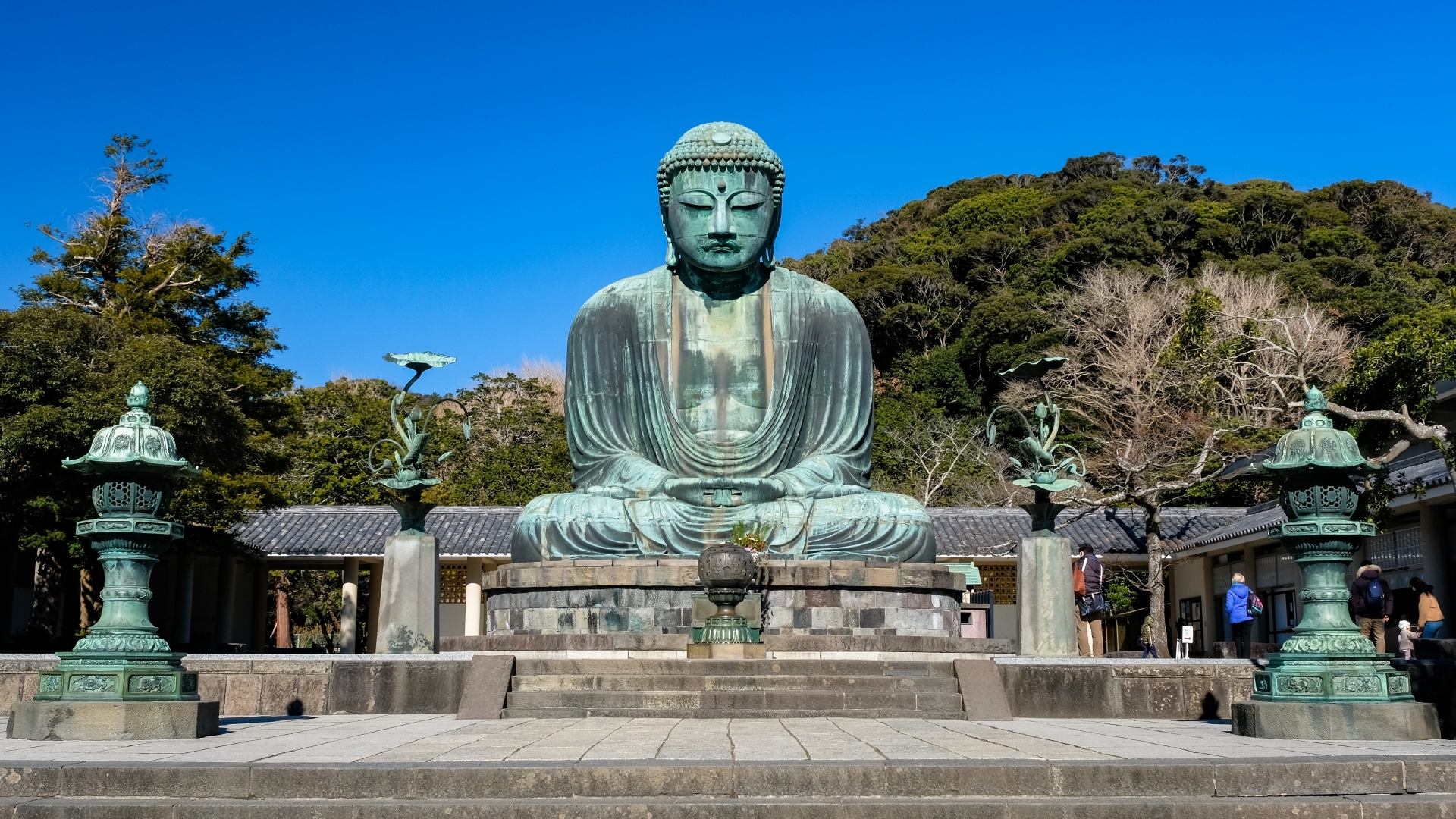
4. Kamakura Great Buddha (Kōtoku-in Temple) 鎌倉大仏
Overview:
The Kamakura Great Buddha, housed at Kōtoku-in Temple, is one of Japan’s most iconic and historically important Buddhist statues. Officially designated a National Treasure, this bronze seated figure of Amida Nyorai stands at approximately 11.3 meters tall and weighs around 121 tons.
Known as the “Great Buddha in the Open Air”, it is celebrated for retaining much of its original 13th-century form, making it a masterpiece in the history of Japanese Buddhist art.
Historical Background
According to the medieval chronicle Azuma Kagami, construction of the statue began in 1252 (Kenchō 4) during the Kamakura period. It is said that donations collected by the monk Jōkō funded the project, though many aspects of the original construction—such as the identity of the primary sculptor—remain a mystery.
Originally, the Great Buddha was housed inside a grand wooden hall. However, historical records show that the building was repeatedly destroyed:
- 1334 (Kenmu 1): Damaged by a severe storm
- 1369 (Ōan 2): Damaged by another powerful storm
- 1498 (Meiō 7): Completely destroyed by a major earthquake
After these disasters, the statue was left outdoors, giving rise to the iconic image of the Great Buddha seated openly against the sky. Over time, exposure to the elements caused deterioration until its revival in the mid-Edo period.
Restoration and Revival
The statue’s restoration was made possible thanks to the generous donation of Nojima Shinzaemon, a merchant from Asakusa, and the efforts of two monks, Yūten and Yōkoku.
- Yūten, a distinguished monk who once served as head priest of Zojo-ji Temple, played a central role in rebuilding Kōtoku-in as a temple of the Jōdo (Pure Land) sect.
- Under his guidance, the statue underwent significant repair work, and a new temple organization was established, known as “Seijōsen-ji Kōtoku-in.”
Their work helped preserve the Great Buddha for future generations, securing its place as a cultural and religious symbol.
Religious Significance (Jōdo Sect)
Kōtoku-in belongs to the Jōdo sect, founded by the revered monk Hōnen (1133–1212).
The sect teaches that all people—regardless of gender, social class, or virtue—can be saved by sincerely reciting “Namu Amida Butsu”, expressing devotion to Amida Buddha, the ruler of the Western Pure Land.
This doctrine emphasizes universal salvation and compassion, values reflected in the serene expression of the Great Buddha itself.
Today, more than 750 years after its creation, the Kamakura Great Buddha continues to inspire countless visitors from around the world, transcending religious boundaries as a powerful symbol of peace and spiritual openness.
Why Visitors Are Drawn to the Great Buddha
- A perfectly preserved bronze statue from the 13th century
- The rare and iconic experience of seeing a Buddha seated outdoors
- Deep historical significance tied to storms, earthquakes, and restoration
- Strong cultural and spiritual symbolism within the Jōdo tradition
- Easy access from both Kamakura city and Hase-dera Temple
5. Hase-dera Temple 長谷寺
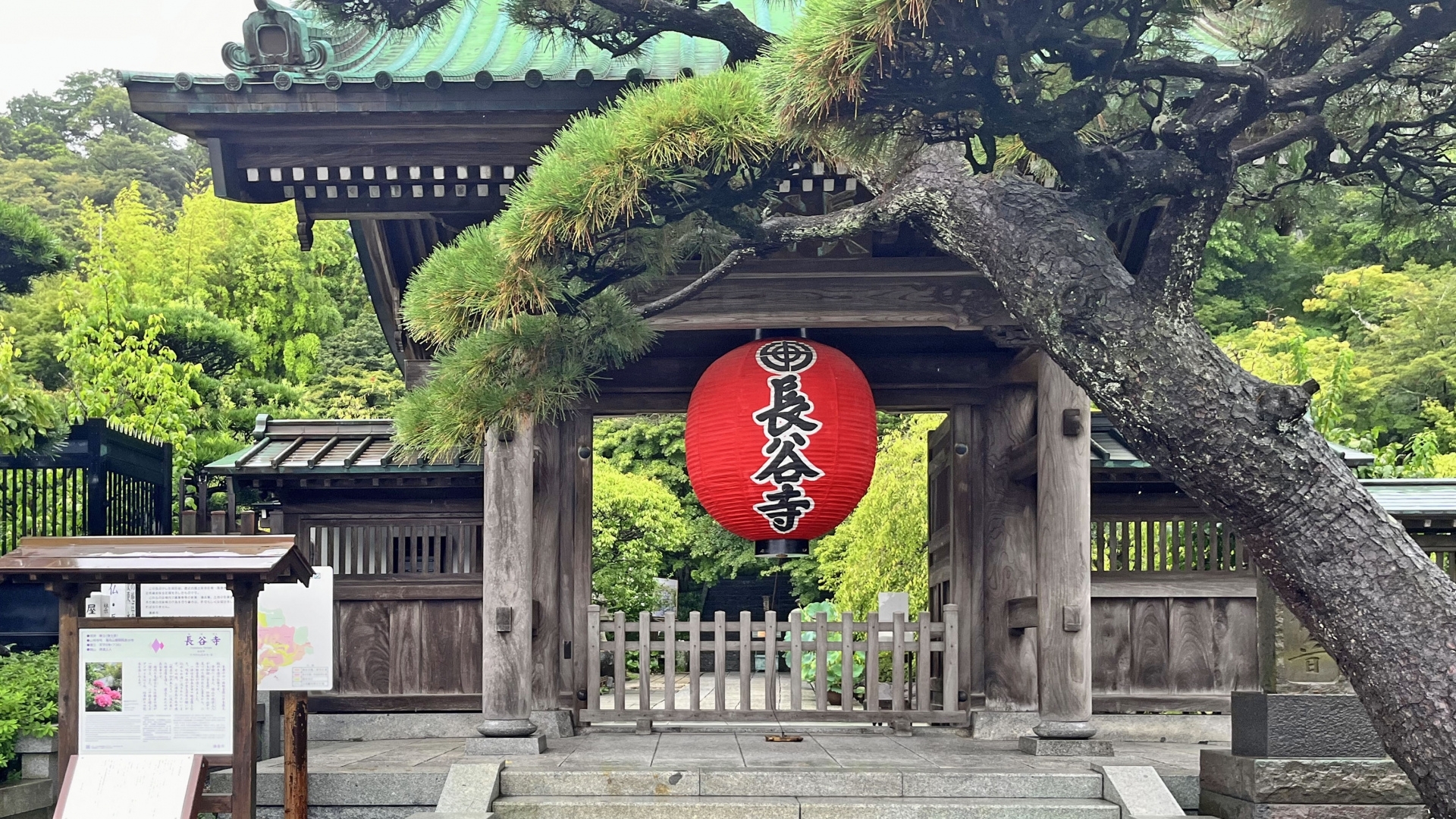
Overview:
Hase-dera, formally known as Kaikōzan Jishōin Hasedera, is one of Kamakura’s most historically significant temples. Commonly called “Hase Kannon” by locals, it has been a beloved place of prayer since ancient times. According to temple legend, it was founded in 736 (Nara period) during the reign of Emperor Shōmu, making it one of Kamakura’s oldest and most culturally important sacred sites.
Spiritual Significance & Main Statue
The temple’s principal deity is the Eleven-Headed Kannon Bodhisattva, one of the largest wooden Buddhist statues in Japan at 9.18 meters tall. Hase-dera is also the 4th temple in the Bandō 33 Kannon Pilgrimage, symbolizing its long-standing role as a center of prayer and compassion in Eastern Japan. The temple continues to preserve this spiritual tradition, passing its sacred light and teachings down to the present day.
Temple Grounds: A Flower-Filled “Paradise of the West”
The spacious temple grounds stretch from the foot of the lush Kannon Mountain up to its middle slopes. Known as “Kamakura’s Western Pure Land”, Hase-dera is celebrated for its vibrant seasonal flowers, serene landscapes, and calming atmosphere.
Throughout the year, visitors can enjoy:
- Plum blossoms in early spring
- Hydrangeas in the rainy season
- Maple leaves in autumn
- Plum trees and camellias in winter
The constant presence of flowers creates a peaceful environment where visitors can reflect and relax.
One of Kamakura’s Best Scenic Viewpoints
The temple’s observation deck offers sweeping views of Kamakura’s coastline and cityscape.Climbing further to the Scenic Walking Path, visitors are rewarded with:
- Panoramic views of Sagami Bay
- Seasonal landscapes blending sea, mountains, and sky
- A mesmerizing hydrangea hillside with 2,500 bushes across 40 varieties, especially breathtaking during the rainy season
This makes Hase-dera one of the most beautiful and photographed spots in all of Kamakura.
Why Visitors Love Hase-dera
- Rich spiritual history dating back nearly 1,300 years
- One of Japan’s largest Kannon statues
- Lush, flower-filled temple grounds year-round
- Some of Kamakura’s best ocean viewpoints
- A harmonious balance of culture, nature, and quiet reflection
6. Shonan Monorail (Suspended Monorail) 湘南モノレール

Overview:
This unique suspended monorail—one of only a few in the world—connects Ōfuna and Enoshima.
Highlights:
- Feels like a roller-coaster ride, especially on curves and slopes.
- Offers a different view of residential and natural areas from above.
- Very convenient for accessing Enoshima from Ōfuna Station.
Why foreign visitors love it:
It’s a fun and unusual form of public transportation rarely seen outside Japan.
7. Tsurugaoka Hachimangu Shrine 鶴岡八幡宮
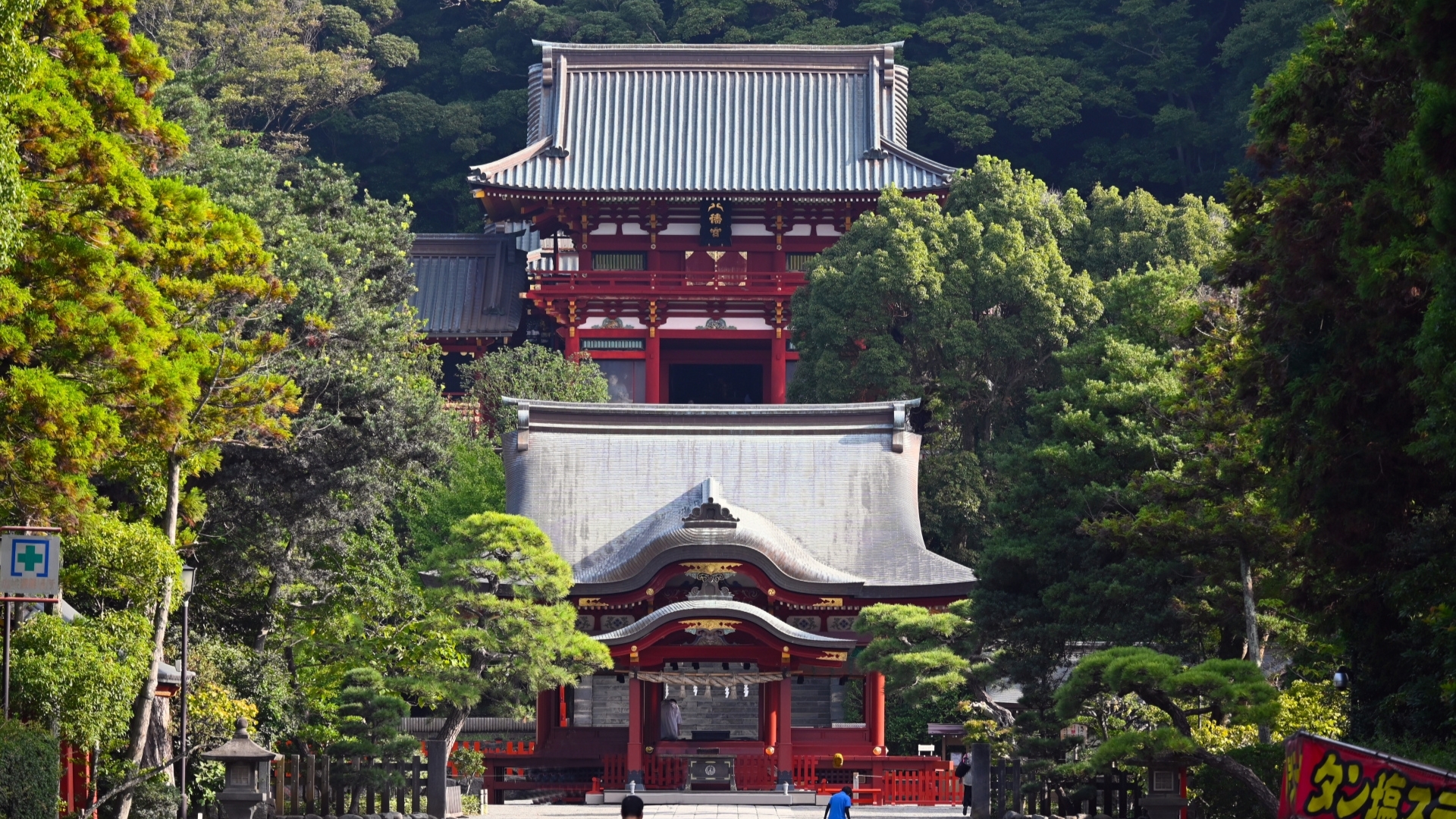
Overview:
Founded in 1063 and expanded under Minamoto no Yoritomo, the founder of the Kamakura shogunate, Tsurugaoka Hachimangu is the most important Shinto shrine in Kamakura and a symbol of the city’s samurai heritage. Dedicated to Hachiman, the protective deity of warriors, the shrine combines majestic architecture, sacred ritual spaces, and scenic ponds, making it a cultural center as well as a beloved place of worship. The long approach lined with cherry trees, seasonal festivals, and its strong historical presence make it one of the top attractions for visitors from Japan and abroad.
Key Sacred Buildings & Areas
1. Hongū (Upper Main Shrine / 本宮・上宮)
Important Cultural Property
The Hongū is the central sanctuary of Tsurugaoka Hachimangu, enshrining:
- Emperor Ōjin (応神天皇)
- Hime-gami (比売神)
- Empress Jingū (神功皇后)
Located at the top of the iconic Grand Staircase, this building is the spiritual heart of the shrine. Countless ceremonies and rituals are held here throughout the year. Along with Wakamiya (Lower Shrine), it is designated an Important Cultural Property of Japan.
2. Wakamiya (Lower Shrine / 若宮・下宮)
Important Cultural Property
Located midway along the approach, Wakamiya enshrines four deities, including Emperor Nintoku(仁徳天皇), the son of Emperor Ōjin. Worshippers visit Wakamiya to pray for prosperity, family well-being, and good fortune. Its architecture and placement show the layered structure of Shinto worship within the shrine precinct.
3. Maruyama Inari Shrine(丸山稲荷社)
Important Cultural Property
The oldest surviving structure within Tsurugaoka Hachimangu, dating back to the Muromachi period. The shrine is surrounded by vibrant red banners donated by worshippers praying for success in business, prosperity, and good harvests.
In November, the Hitaki-sai (Fire Ritual) is held here, accompanied by traditional Kamakura Kagura performances.
4. Maiden (Dance Stage / 舞殿)
Standing on the site of the former Wakamiya corridor, the Maiden—also known as the Lower Worship Hall—is famous as the place where Shizuka Gozen performed her heartfelt dance in longing for Minamoto no Yoshitsune.
Today, it is used for:
- Ritual performances
- Shrine events
- Traditional Shinto weddings, held throughout the year
Its open structure and picturesque location make it popular among visitors and photographers.
5. Shirahata Shrine(白旗神社)
Enshrining Minamoto no Yoritomo and his son Minamoto no Sanetomo, this striking shrine is easily recognized by its black-lacquered hall. Many visitors come to pray for:
- Victory and success in competition (必勝)
- Academic achievement (学業成就)
It is a deeply respected spiritual site linked to the legacy of the Minamoto clan.
Why Visitors Love Tsurugaoka Hachimangu
- The most important shrine in Kamakura with over 950 years of history
- Majestic architecture surrounded by ponds, forests, and seasonal flowers
- Home to iconic events such as Yabusame horseback archery
- Rich samurai heritage linked directly to Minamoto no Yoritomo
- Multiple shrines within the grounds offer deep cultural and spiritual insight
- A perfect combination of history, culture, nature, and traditional rituals
8. Inamuragasaki Park 稲村ヶ崎公園

Overview:
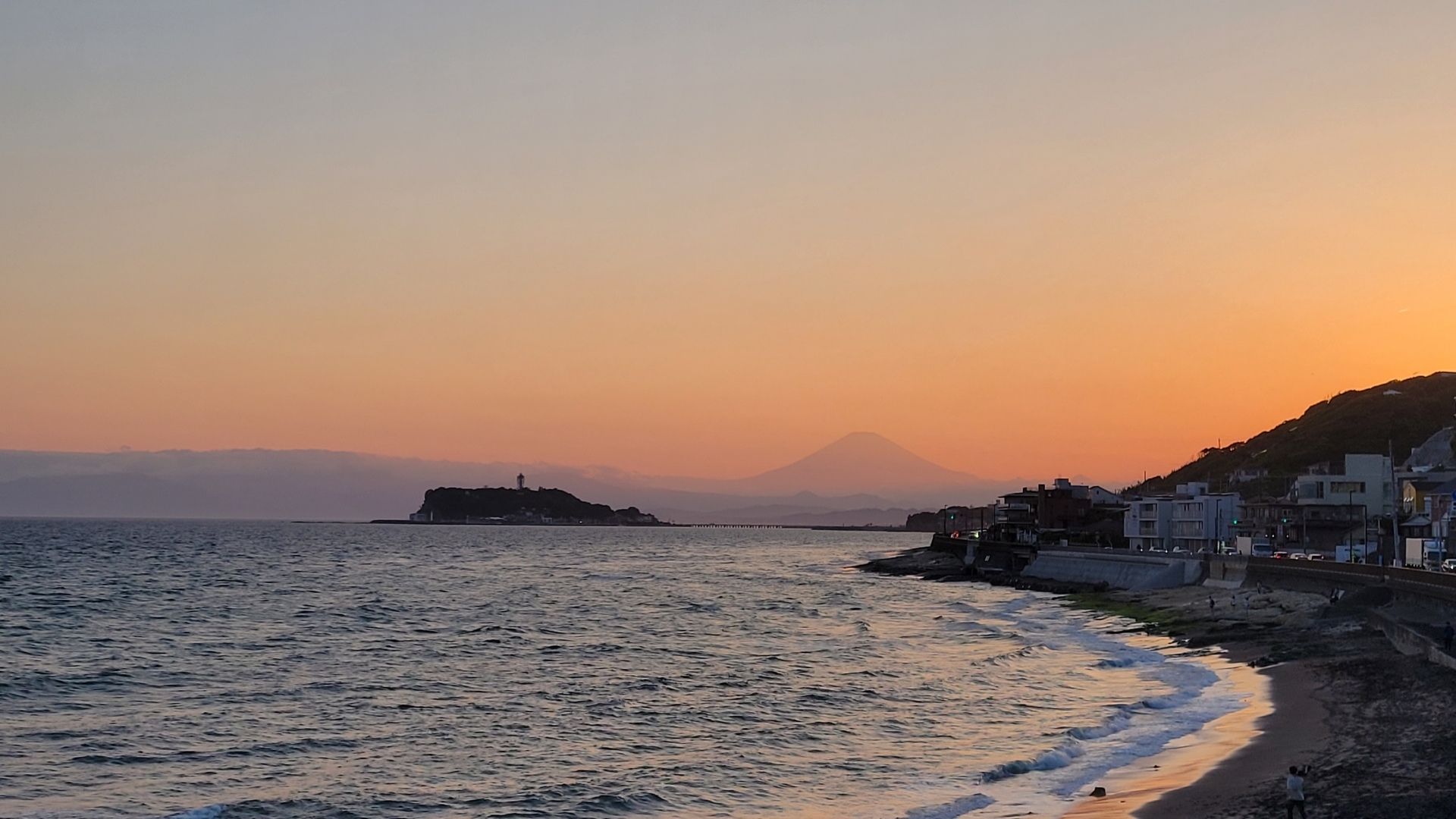
A scenic seaside park famous for its breathtaking sunset views.
Highlights:
- Clear views of Mt. Fuji, especially in winter.
- A popular spot for photographers and couples.
- Great for picnics or relaxing after a day of sightseeing.
Why foreign visitors love it:
The combination of shore, silhouette of Enoshima, and Mt. Fuji creates a postcard-perfect scene.
9. Chigogafuchi Abyss (Rock Plateau) 稚児ヶ淵
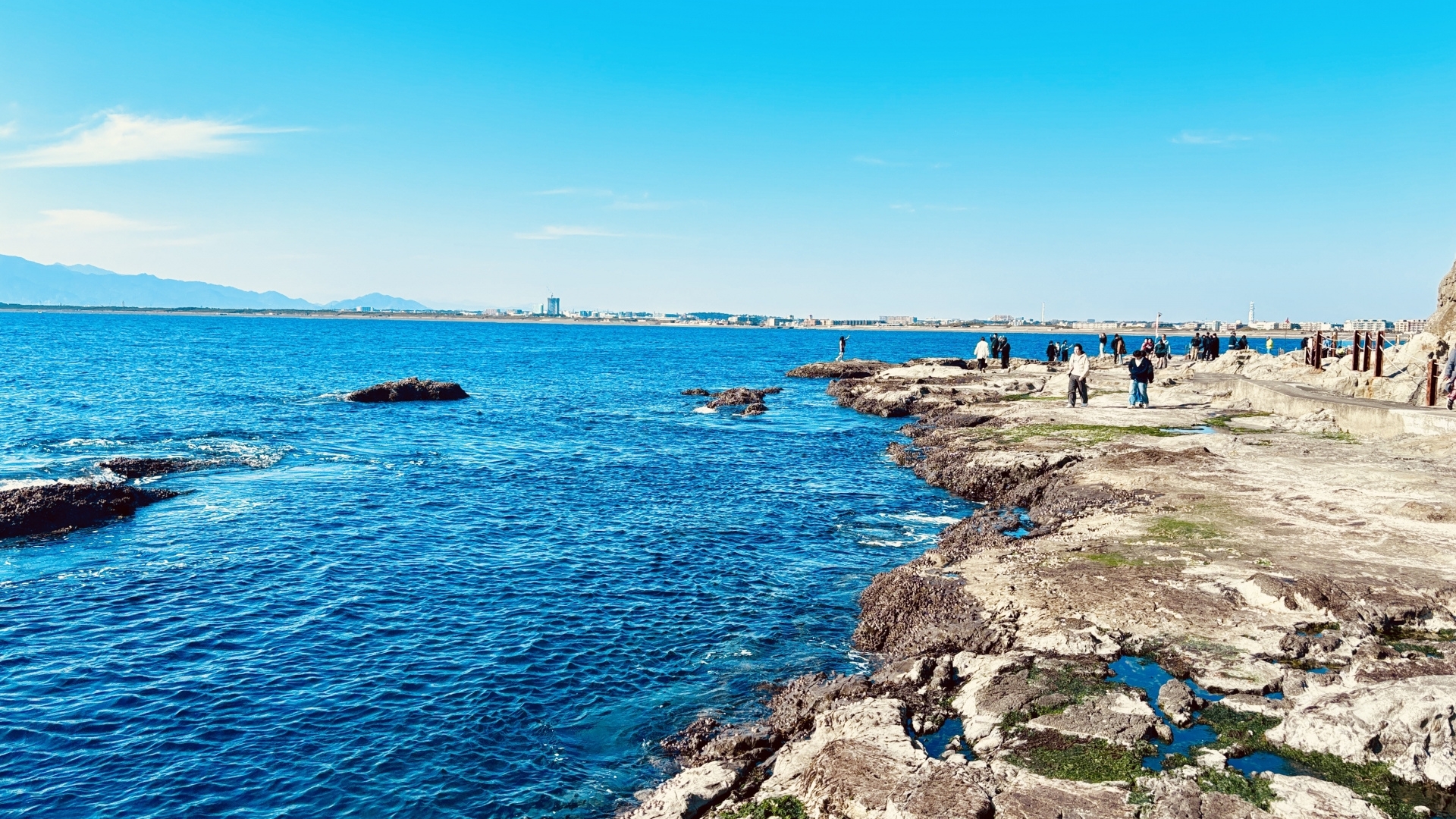
Overview:
A dramatic rock formation on the backside of Enoshima, created by centuries of erosion.
Highlights:
- Natural tide pools and wave-swept rocks.
- Ideal for sunset photography.
- Close to the Iwaya Caves, making it easy to explore both.
Safety note:
Avoid visiting during high tide or rough seas.
Why foreign visitors love it:
It feels wild and natural—rare scenery so close to a major city.
10. Shonan T-Site (Tsujido) 湘南T-SITE
Overview:
A modern lifestyle complex created by Tsutaya, offering a stylish mix of bookstores, cafés, designer shops, and outdoor spaces.
Highlights:
- Beautifully curated bookstores with wide English selections.
- Trendy cafés and open-air terrace seating.
- Family- and pet-friendly environment.
- Frequent cultural events and workshops.
Why foreign visitors love it:
It shows the “everyday lifestyle” side of Japan beyond temples and traditional spots.